
Key support for improving the export efficiency of industrial products
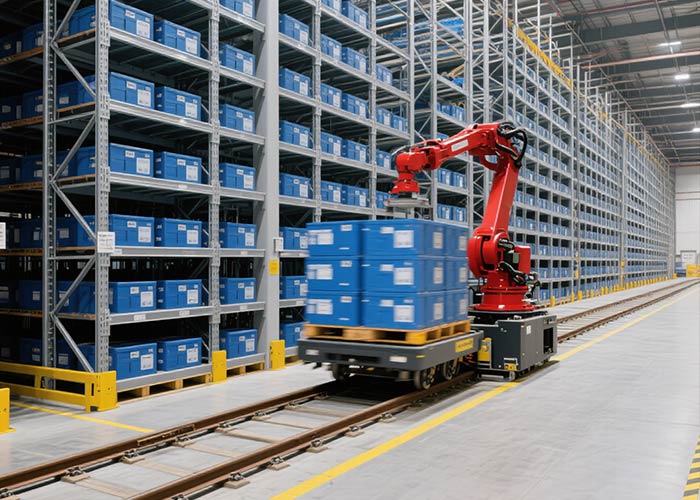
In the current era of a time-sensitive cross-border trade, overseas warehouses have evolved from an optional feature to essential infrastructure. In the traditional foreign trade model, industrial products must undergo a complex process of production, ocean freight, customs clearance, and land transportation before reaching overseas customers. This process takes 30-45 days, making it difficult to meet urgent orders and potentially leading to unsold goods due to market fluctuations. The emergence of overseas warehouses offers a novel solution to this pain point, but how to deploy and operate them presents new challenges for companies.
The core logic of improving the efficiency of industrial product exports
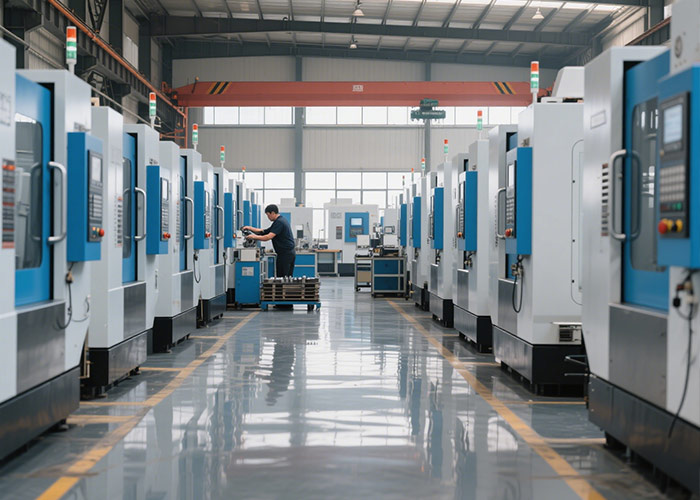
Amidst the restructuring of the global industrial chain, competition in industrial product exports has evolved from a competition among individual companies to a test of the overall strength of industrial belts. As the “world’s factory,” China has developed specialized industrial belts, such as those for laser equipment in Dezhou, geotechnical materials in Linyi, and engineering accessories in Tai’an. However, the unleashing of these potentials is often limited by fragmented enterprises, inconsistent standards, and isolated resource silos. Breaking through these bottlenecks through collaborative industrial belts is a key challenge in improving the efficiency of industrial product exports.
One-time pass strategy for environmental certification in 12 countries

Geotechnical materials, the “invisible cornerstone” of infrastructure projects, are facing increasingly stringent “green barriers” to export. In recent years, markets such as the EU, the Middle East, and Southeast Asia have successively upgraded their environmental standards, imposing stricter requirements on the raw material composition, weather resistance, and recyclability of products like HDPE membranes and geogrids. Industry data shows that in 2023, the global geotechnical material export return rate due to environmental certification issues increased by 17% year-on-year. Among them, the first-time pass rate for certifications such as Saudi Arabia’s SASO and the EU’s EC was less than 50%, becoming a major obstacle to exports.
Research on cost optimization and efficiency improvement solutions

As a crucial component of bulk commodity trade, cross-border logistics for engineering equipment has long faced a “double dilemma.” On the one hand, the extra-wide and overweight nature of large equipment like excavators and cranes complicates transportation design and creates high compliance risks. On the other hand, the multi-tiered subcontracting of the traditional logistics model (manufacturer → port freight forwarder → shipping company → destination port agent) leads to information gaps and uncontrolled costs. An industry report indicates that the additional costs of cross-border logistics for engineering equipment (such as demurrage and fines) account for an average of 18% of total freight.
The leverage effect of customized strategies on overseas markets

The explosive growth of the global fitness industry has created a vast market for fitness equipment exports. However, market demand varies significantly across countries and regions. The European market prioritizes environmentally friendly materials and spatial compatibility, the North American market emphasizes safety and intelligent interaction, and the Southeast Asian market prioritizes cost-effectiveness and durability. This “maze of localized demand” often makes standardized fitness equipment difficult to adapt to overseas markets. A survey shows that approximately 53% of fitness equipment exporters experience overseas return rates exceeding 10% due to insufficient product compatibility.
Laser equipment exports: How to break through European and American certification barriers?

In the globalized world of trade, laser equipment, as core equipment in high-end manufacturing, faces export certification barriers in Europe and the United States, becoming a key bottleneck restricting small and medium-sized manufacturing companies from expanding overseas. Industry data shows that approximately 68% of small and medium-sized laser companies miss out on orders from the European and American markets due to complex certification processes and opaque standards. The average processing time for certifications like CE and TÜV is 3-6 months, far exceeding the expected 1-2 months. This uncontrolled time cost not only leads to lost orders but also weakens companies’ bargaining power in the international market.